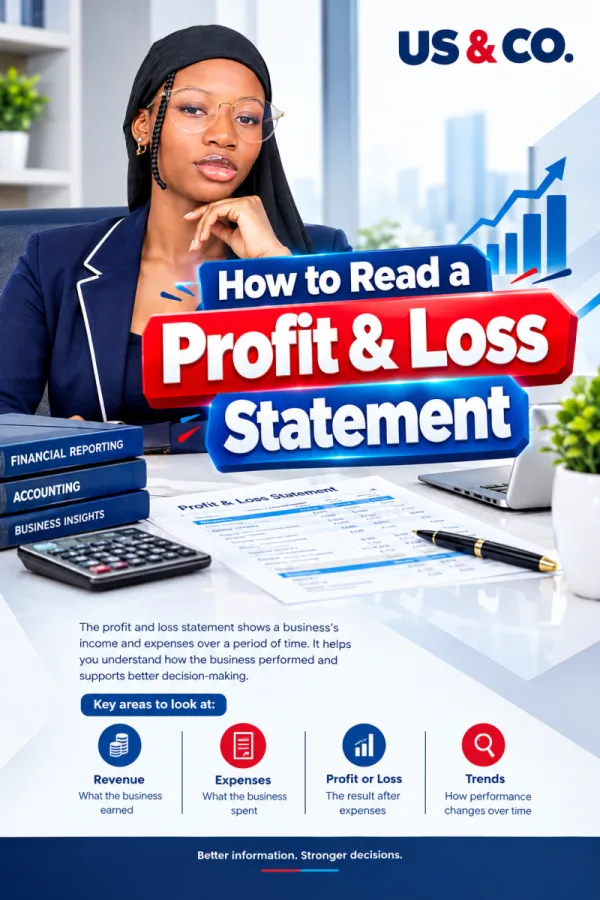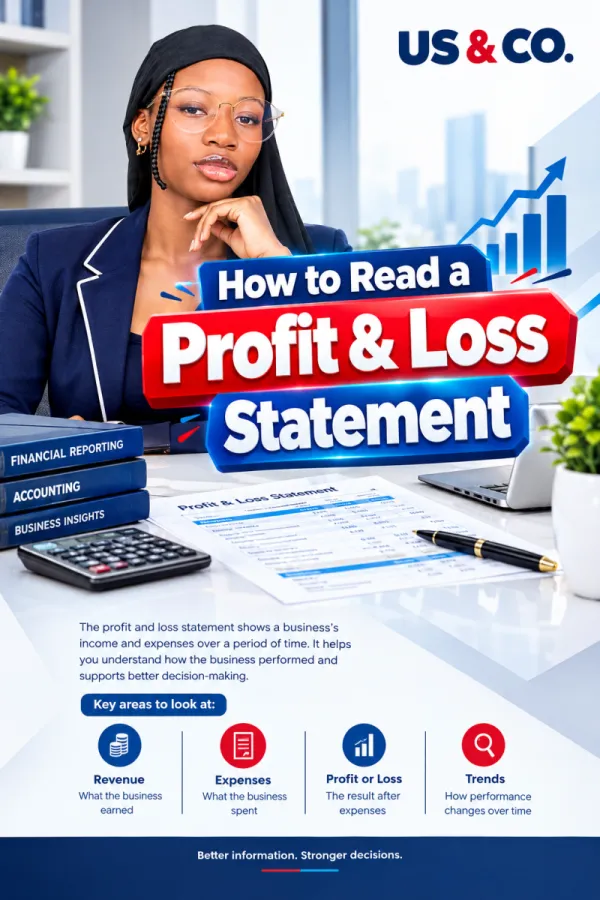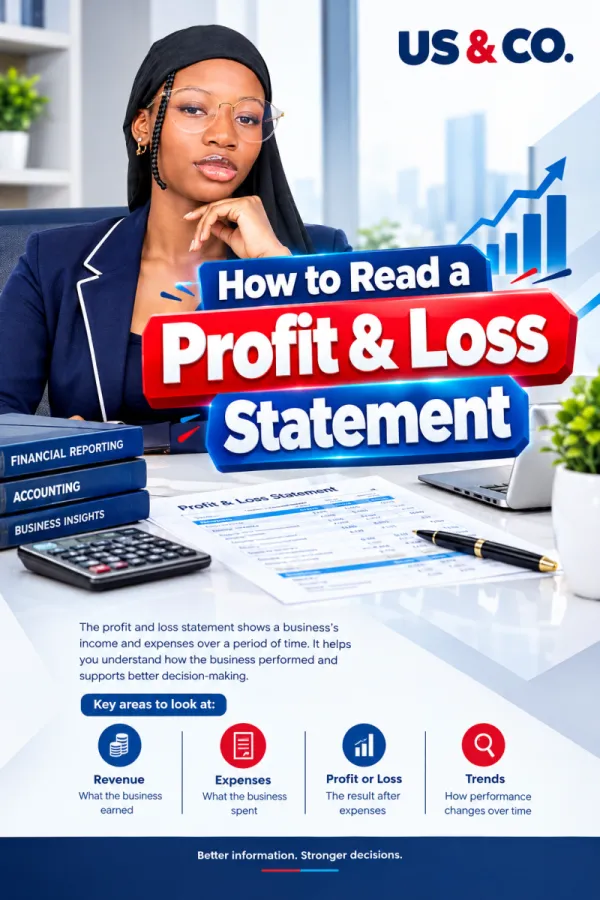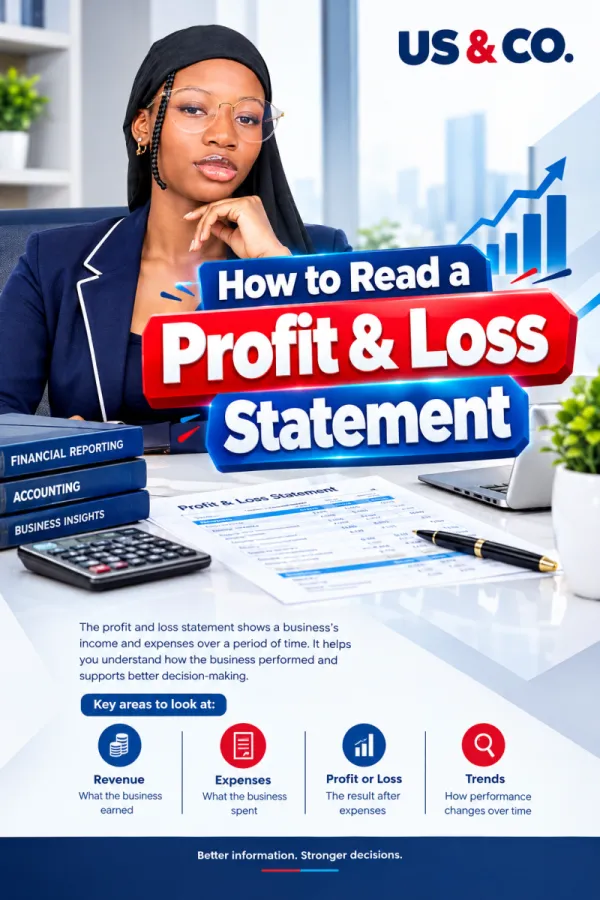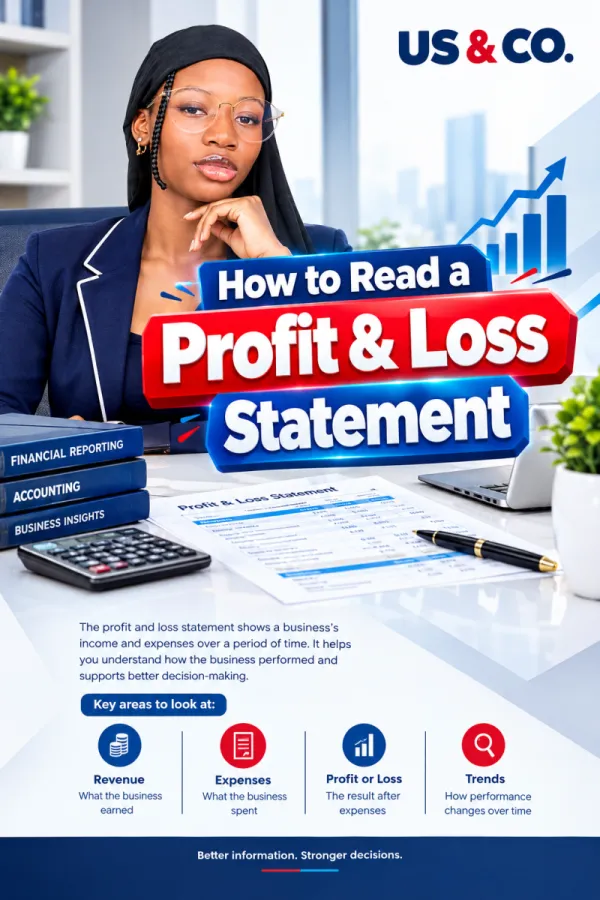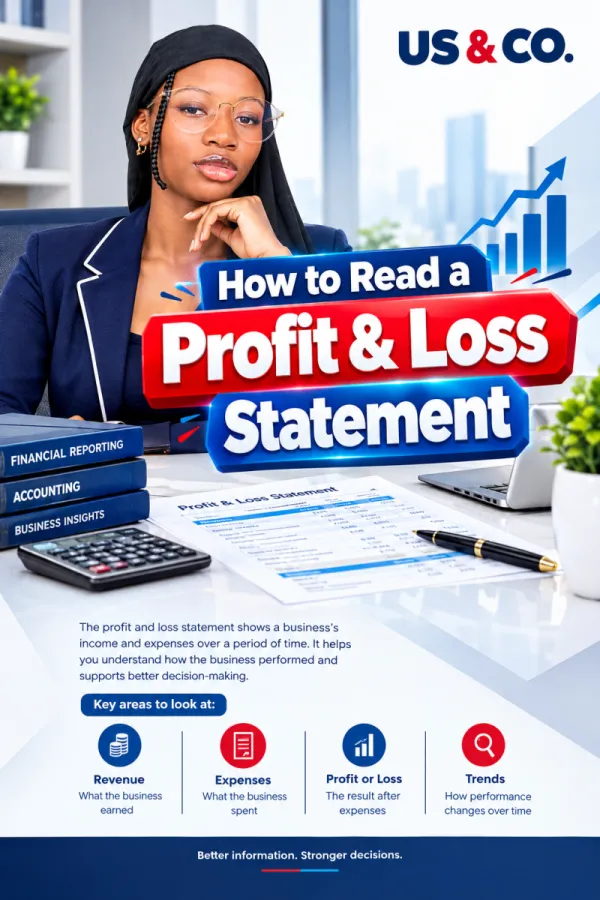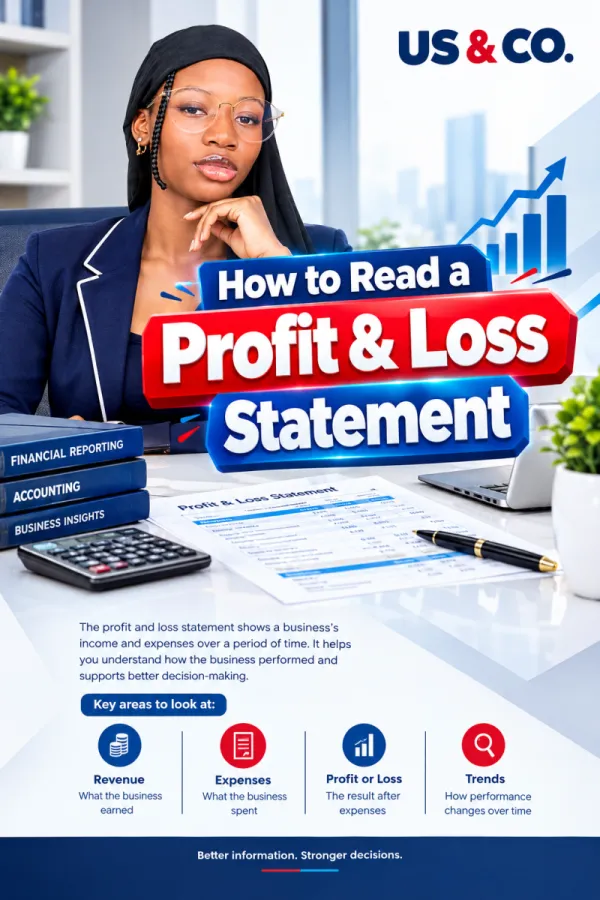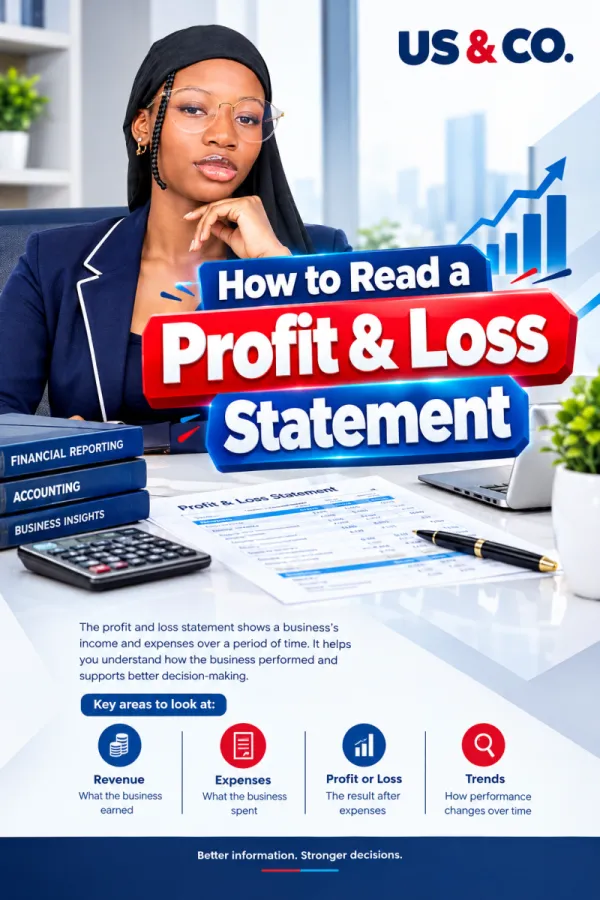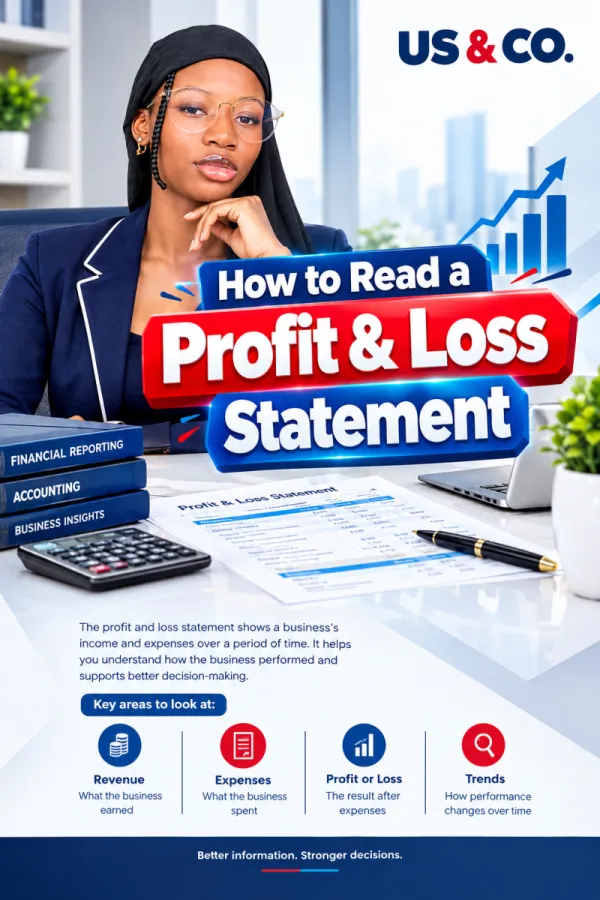
How to Read a Profit & Loss Statement
A Profit & Loss (P&L) statement shows how income, expenses, and net profit (or loss) move during a period. For tax planning and investment decisions, a clear reading helps you maintain records, support filings, and reduce avoidable corrections.
How it works (core structure)
1) Revenue: sales and other income.
2) Cost of sales/expenses: direct costs and operating expenses.
3) Operating result: profit before tax (or operating loss).
4) Tax position: items affecting assessable profit.
5) Net profit/loss: the final outcome after all expenses.
Step-by-step: using P&L to guide an investment decision
1) Confirm the period and consistency of accounting methods.
2) Separate revenue quality (recurring vs one-off) from volume changes.
3) Review expense drivers (staff cost, admin, depreciation, finance costs).
4) Compute profit margins and check whether changes are sustainable.
5) Align profit trends with cash reality and liabilities (separate from P&L where possible).
6) Assess tax implication: taxable profit may differ from accounting profit due to allowable and non-allowable expenses.
7) Document assumptions for due diligence and future tax defense.
Why it matters for taxpayers
Nigeria’s tax obligations require accurate reporting. As reflected in Nigeria Revenue Service (NRS) guidance, taxpayers must comply with filing and remittance obligations: “tax returns must be filed and taxes remitted as required by the tax laws.” A P&L supports your turnover, expense classification, and profit figures used in computations.
Tax implications to consider
- Depreciation, capital allowances, and disallowable expenses can change assessable profit.
- Certain deductions must meet documentation requirements.
- Timing differences can affect taxable income for the year.
Reasons to use a professional consulting firm (to avoid error)
- Correct mapping of items from P&L to tax schedules.
- Verification of consistency across periods.
- Proper classification of expenses and income.
- Reduced risk of mismatches that trigger queries or adjustments.
- Clear audit trail aligned with tax law and record-keeping expectations.
Tips for reading responsibly
- Compare current figures with prior periods.
- Watch unusually large “other income/other expenses.”
- Ensure chart of accounts matches how you compute taxable income.
- Keep supporting documents for major expense lines.
- When needed, seek clarification on tax treatment.
Why business compliance with tax regulation is necessary
Compliance protects the business from penalties, strengthens governance, and improves credibility with tax authorities.
Where you need further assistant: Contact Professional Tax Consulting Firm in Lagos
Nigeria on:
📞 WhatsApp: 08056219998
📧 Email: info@usc.com.ng
🌐 Website: https://www.usc.com.ng,