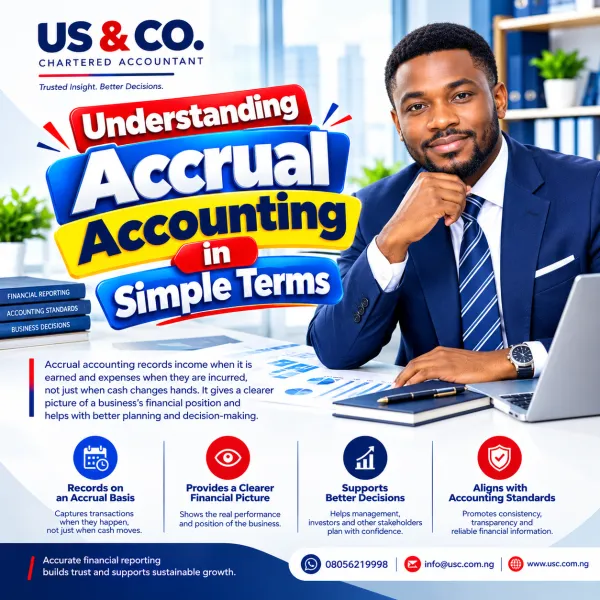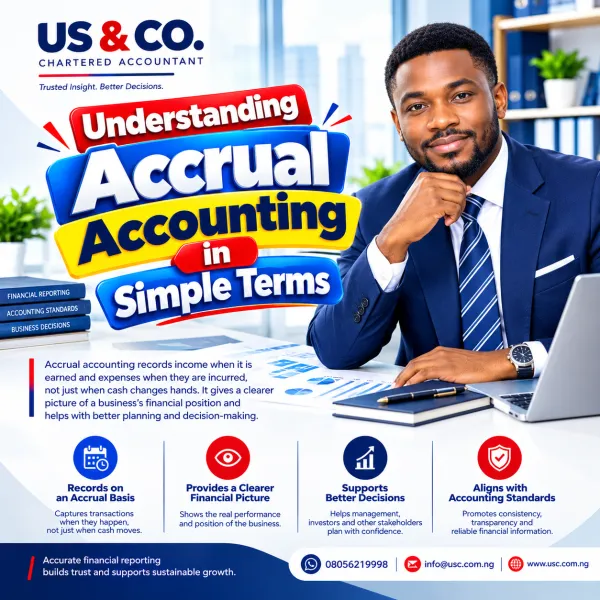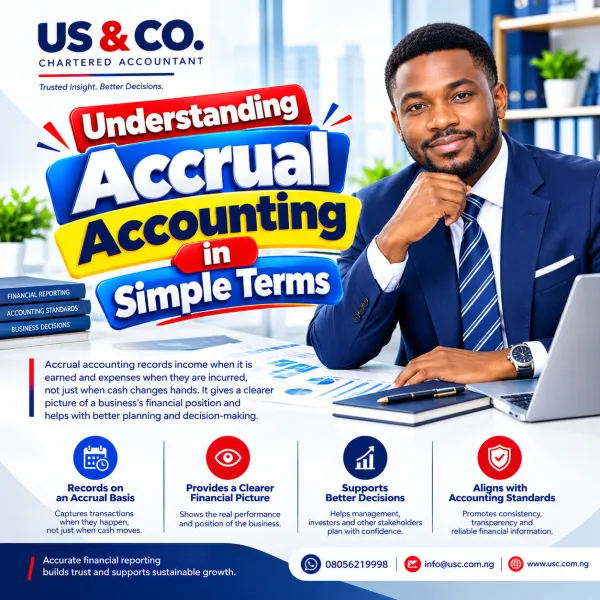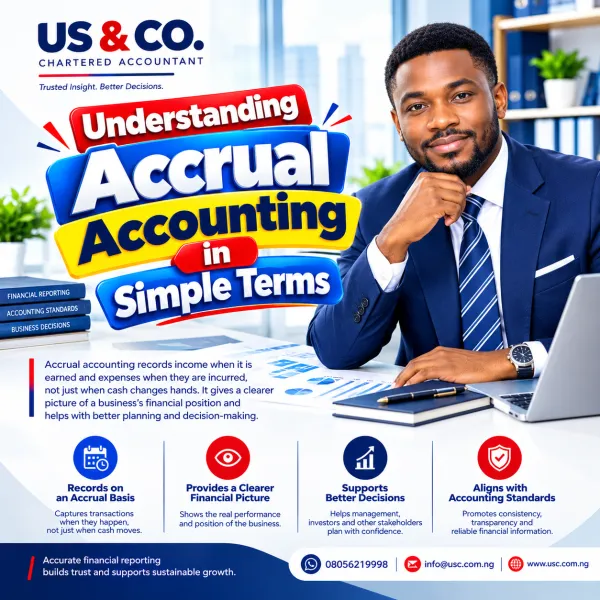
Understanding Accrual Accounting in Simple Terms
Accrual accounting records income and expenses when they are earned or incurred, not when cash is received or paid. This approach aligns business performance with the period it relates to, using an audit trail of invoices, contracts, payroll records, and bank confirmations. For tax purposes, accrual accounting helps show the timing of obligations, deductions, and liabilities so that tax computations are supported by consistent records.
**How accrual accounting works**
- Sales are recognized when goods are delivered or services are rendered (not when payment arrives).
- Expenses are recognized when the service is received or the cost is incurred (not when it is settled).
- End-of-period adjustments capture accruals, prepayments, and outstanding payables/receivables.
**Step-by-step to implement accrual accounting**
1) Set accounting policies (revenue recognition, expense recognition, depreciation approach).
2) Maintain a complete document trail (sales invoices, purchase invoices, contracts, delivery notes).
3) Record transactions at the transaction date in the accounting system.
4) Post monthly accruals and adjustments (outstanding expenses, accrued income, prepayments).
5) Reconcile receivables/payables and bank statements.
6) Review journal entries and supporting schedules before year-end closing.
7) Prepare financial statements and ensure the tax computation aligns with the accounts.
**Importance to taxpayers**
Accrual reporting supports accurate VAT, withholding tax, and income tax positions by demonstrating when transactions arise and whether documentation matches the period. This reduces the risk of misstatement during tax review.
**Tax implications**
Taxable profit may start from accounting profit, then adjust for allowable and non-allowable expenses and timing differences. Incorrect recognition can lead to under/overstatement of tax liabilities and create exposure to additional assessments.
**Nigeria Revenue Service (NRS) reference**
NRS tax administration emphasizes that tax returns should be based on accurate information supported by adequate records and documentation. Accrual accounting is a practical method for maintaining those records by period.
**Why comply with tax regulation**
Compliance ensures predictable tax treatment, supports governance, and strengthens audit readiness.
**Advantages of using a professional consulting firm (to avoid error)**
- Verification of accrual schedules and documentation completeness
- Consistent accounting policy application
- Period-accurate tax computations and reconciliation support
**Practical tips**
- Accrue monthly, not only at year-end
- Tag documents to the period of transaction
- Perform review checks on credit notes, returns, and outstanding liabilities
Where you need further assistant: Contact Professional Tax Consulting Firm in Lagos, Nigeria on:
📞 WhatsApp: 08056219998
📧 Email: info@usc.com.ng
🌐 Website: https://www.usc.com.ng