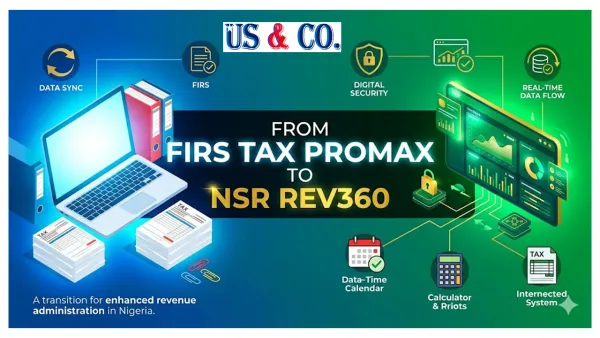
Business Tax: Transitioning from TaxPro-Max to Rev360
The Nigerian tax administration landscape is undergoing a significant digital transformation. The Federal Inland Revenue Service (FIRS) has introduced Rev360, a consolidated platform designed to streamline tax processes, enhance transparency, and replace certain functionalities previously handled by TaxPro-Max. For businesses operating in Nigeria, understanding this transition is not merely a technical requirement but a matter of statutory compliance.
Understanding the Transition
Rev360 serves as an integrated tax administration system. While TaxPro-Max focused heavily on the automation of tax filing and payment processes, Rev360 aims for a more comprehensive approach to revenue management. It integrates various tax modules into a single interface, allowing for better data synchronization between taxpayers and the FIRS.
How Rev360 Works
Rev360 operates as a centralized web-based portal. It utilizes a taxpayer’s Tax Identification Number (TIN) as the primary anchor for all transactions. The system is built to validate data in real-time, meaning that inconsistencies in financial reporting can be flagged immediately during the filing process.
Step-by-Step Guide to Filing on Rev360
Filing tax returns on the new platform requires precision. Below is the procedural framework for corporate taxpayers:
- Access and Authentication: Log in to the official Rev360 portal using your registered corporate credentials. Ensure your TIN is active and linked to a valid email address.
- Module Selection: Navigate to the specific tax type you intend to file (e.g., Companies Income Tax, VAT, or Education Tax).
- Data Input: Populate the digital forms with accurate financial data derived from your audited financial statements. This includes revenue, allowable deductions, and capital allowances.
- Document Upload: Attach necessary schedules and supporting documents in the prescribed formats (usually PDF or Excel).
- Review and Validation: Utilize the "Preview" function to ensure all figures align with your internal records. The system will perform an automated arithmetic check.
- Submission and Acknowledgment: Once validated, submit the return. The system will generate a Document Identification Number (DIN) or a Payment Reference Number (PRN).
- Payment: Use the generated PRN to remit funds through approved commercial banks or integrated electronic payment channels.
The Importance of Compliance and Accuracy
Adherence to tax regulations is a legal mandate under the Companies Income Tax Act (CITA) and the Value Added Tax Act. Compliance ensures that a business maintains its "Tax Clearance Certificate" (TCC), which is a prerequisite for government contracts, banking facilities, and international trade permits.
Beyond legalities, timely filing on Rev360 prevents the accrual of penalties and interest, which can significantly impact a company's cash flow.
The Role of Professional Consultation in Tax Management
The complexity of Nigerian tax laws—including the recent amendments in the Finance Acts—necessitates a high level of technical expertise. Engaging a professional firm for tax matters offers several institutional advantages:
- Risk Mitigation: Professional accountants ensure that tax computations are free from arithmetic errors and misinterpretations of the law.
- Regulatory Alignment: Firms stay abreast of circulars from the FIRS and the Joint Tax Board (JTB), ensuring your business adopts the latest filing protocols.
- Technical Representation: In the event of a tax audit or investigation, a professional firm provides the necessary technical interface between the taxpayer and the authorities.
- Optimization of Credits: Professionals identify legitimate tax credits and incentives, such as those available under the Industrial Development (Income Tax Relief) Act.
Tax Credits and Opportunities in Nigeria
Nigerian tax law provides various avenues for legitimate tax optimization:
- Capital Allowances: Businesses can claim allowances on qualifying capital expenditure used for the generation of profits.
- WHT Credits: Ensuring that Withholding Tax (WHT) credit notes are properly managed and applied against income tax liabilities.
- Export Incentives: Companies engaged in export activities may benefit from specific exemptions and reduced rates to encourage foreign exchange inflow.
Statutory Framework
The administration of taxes on Rev360 is governed by the Federal Inland Revenue Service (Establishment) Act. All filings must align with the provisions of the relevant tax laws applicable to the entity's industry and structure.
Professional Assistance
For entities requiring technical guidance on Rev360 migration, statutory compliance, or tax advisory services, professional consultation is recommended.
US & CO. (Chartered Accountant)
Lagos, Nigeria
- WhatsApp: 08056219998
- Email: info@usc.com.ng
- Website: www.usc.com.ng
Frequently Asked Questions (FAQ)
Q1: Is TaxPro-Max being completely phased out?
Rev360 is being integrated to enhance and, in several aspects, replace the older filing modules to provide a more robust interface. It is essential to follow current FIRS directives on which platform to use for specific tax years.
Q2: What happens if I make an error in my Rev360 filing?
Errors should be addressed through a formal letter of amendment to the FIRS. Utilizing a professional firm minimizes the occurrence of such discrepancies.
Q3: Can I pay my taxes directly on the portal?
Yes, Rev360 generates a reference code that allows for payment via various electronic banking platforms.
Q4: Why is my TIN not recognized on the new portal?
This may be due to data migration issues or inactive records. You may need to visit a local Tax Identification Unit or consult your tax practitioner to rectify the record.