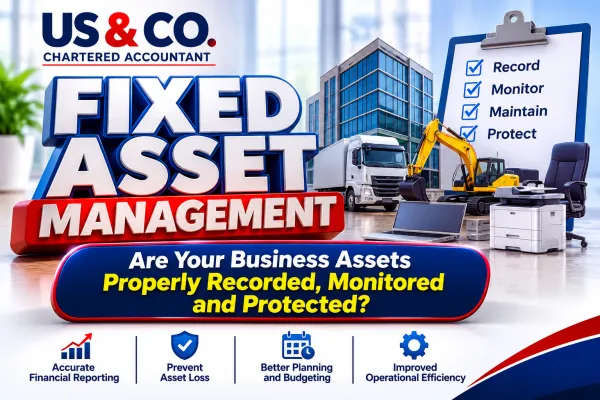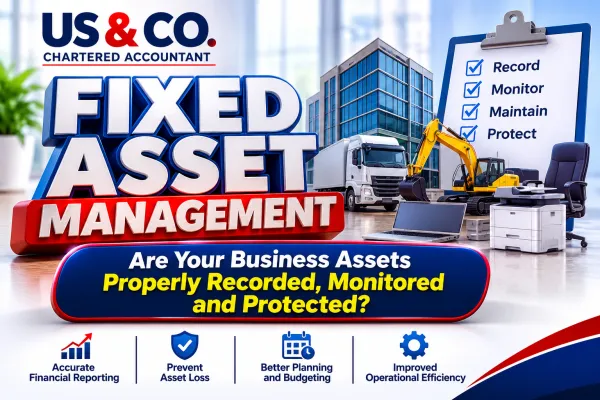
Fixed Asset Management: How Businesses Can Protect Their Long-Term Investments
Fixed assets represent an important part of a business's long-term investment. Items such as buildings, machinery, vehicles, office equipment and furniture support daily operations and contribute to business growth.
However, purchasing these assets is only one part of effective financial management. Businesses must also ensure that their assets are properly recorded, monitored, maintained and accounted for throughout their useful lives.
This process is known as fixed asset management.
What Is Fixed Asset Management?
Fixed asset management refers to the systematic process of acquiring, recording, tracking, maintaining and disposing of a business's long-term tangible assets.
It helps organisations understand what assets they own, where those assets are located, their current condition and how much value they carry in the financial records.
Without proper asset management procedures, businesses may experience financial inaccuracies, unnecessary replacement costs and difficulties during financial audits.
Why Is Fixed Asset Management Important?
1. Accurate Financial Reporting
Proper asset records help businesses maintain accurate financial statements. They ensure that fixed assets, accumulated depreciation and carrying amounts are appropriately reflected in the accounting records.
2. Prevention of Asset Loss
Regular asset verification helps organisations identify missing, damaged, unused or improperly utilised assets.
3. Better Budgeting and Planning
Understanding the condition and remaining useful life of assets helps management plan for future maintenance, repairs and replacements.
4. Improved Operational Efficiency
Proper maintenance and monitoring can reduce unexpected equipment breakdowns and operational interruptions.
5. Stronger Internal Controls
A structured asset management system establishes accountability by assigning responsibility for the custody, use and maintenance of business assets.
How Can Businesses Manage Their Fixed Assets Effectively?
Businesses can improve fixed asset management through the following practices:
- Maintain a comprehensive fixed asset register.
- Record acquisition dates, purchase costs and asset descriptions.
- Assign unique identification numbers to assets.
- Conduct periodic physical asset verification.
- Apply appropriate depreciation policies.
- Maintain supporting purchase and disposal documents.
- Review assets for impairment indicators where applicable.
- Document the approval and disposal of assets.
Common Fixed Asset Management Mistakes
Some organisations fail to update their asset registers after purchasing or disposing of equipment. Others continue recording assets that are no longer in use or fail to investigate differences between physical assets and accounting records.
These weaknesses can affect financial reporting, internal controls and management decisions.
Conclusion
Fixed asset management goes beyond keeping records of business equipment. It involves protecting organisational resources, improving accountability and ensuring that financial information accurately reflects the assets available to the business.
A well-maintained fixed asset management system supports effective financial planning and responsible business administration.
US & CO. Chartered Accountant
Providing educational insights into accounting, financial reporting and business management.