Beyond Penalties: Understanding the Broader Benefits of Tax Compliance for Nigerian Businesses
For many business owners in Nigeria, taxation is often associated with filing obligations, regulatory procedures, and the risk of penalties for non-compliance. While meeting statutory requirements is essential, tax compliance also plays a broader role in supporting business sustainability and access to opportunities.
This article highlights the practical implications of maintaining proper tax compliance and how it can contribute to business stability and growth.
Implications of Poor Tax Management
Managing tax obligations without adequate knowledge or professional guidance can lead to unintended consequences. Common challenges include:
- Multiple Taxation Risks
Without proper structuring and clarity on tax responsibilities, businesses may face situations where similar income or transactions are taxed by different authorities. - Penalties and Interest
Non-compliance with filing and payment deadlines may result in financial penalties and interest charges. Recent regulatory updates, including the Nigeria Tax Act 2025 (effective January 1, 2026), have increased enforcement measures. - Restricted Access to Opportunities
Many government and corporate engagements require evidence of tax compliance, such as a valid Tax Clearance Certificate (TCC). Lack of compliance may limit participation in such opportunities.
The Value of Operating a Compliant Business
Maintaining proper tax records and fulfilling obligations contributes to a more structured and transparent business environment. Key benefits include:
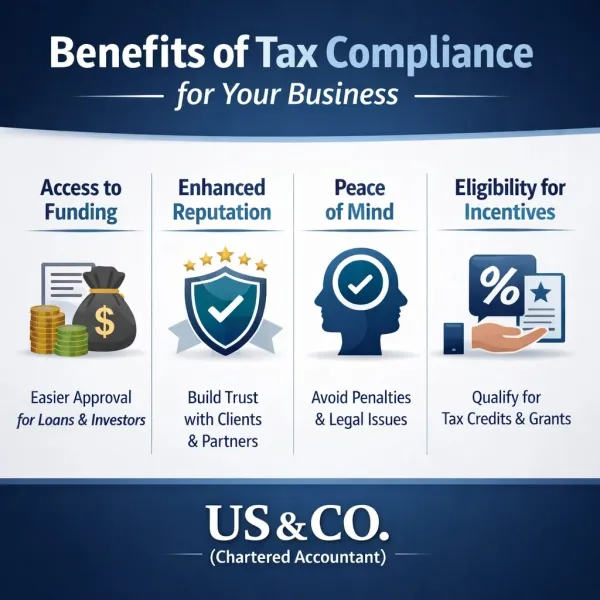
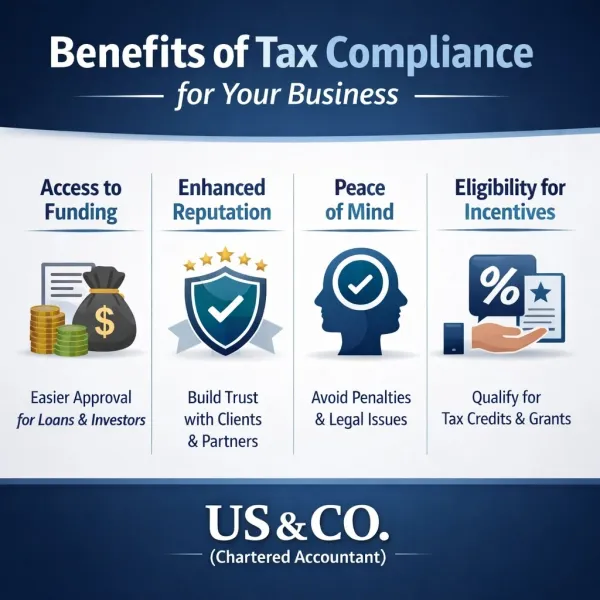
- Access to Financing and Contracts
Financial institutions and contracting entities often require proof of tax compliance when evaluating applications for loans, grants, or tenders. - Business Credibility
Consistent compliance supports a business’s reputation with stakeholders, including regulators, financial institutions, and business partners. - Improved Planning and Decision-Making
With tax matters properly managed, business owners can focus on operational efficiency and long-term planning.
Tax Compliance as a Business Consideration
Tax compliance should be viewed not only as a legal requirement but also as part of sound business management. Some practical advantages include:
- Eligibility for Government Engagements
Up-to-date tax records are often a prerequisite for public sector contracts. - Access to Incentives
Government policies may include incentives or reliefs that are accessible only to compliant taxpayers. - Reduced Regulatory Risk
Proper compliance minimizes exposure to audits, penalties, and disruptions. - Operational Stability
Clear and accurate tax records contribute to better financial management and reporting.
Role of Professional Support
Given the evolving nature of tax regulations, professional guidance can assist businesses in maintaining compliance and avoiding errors. Services typically include:
- Accurate tax computation and filing
- Advisory on applicable tax obligations
- Assistance with obtaining Tax Clearance Certificates (TCC)
- Guidance on regulatory updates and compliance requirements
Frequently Asked Questions (FAQ)
What is a Tax Clearance Certificate (TCC)?
A TCC is issued by the relevant tax authority to confirm that a taxpayer has fulfilled tax obligations for a specified period, usually the preceding three years.
Why is a TCC important?
It is often required for government contracts, certain financial transactions, and regulatory processes.
Are small businesses required to comply with tax regulations?
Yes. Tax compliance applies to businesses of all sizes, although obligations may vary depending on the nature and scale of operations.
What changes were introduced by the Nigeria Tax Act 2025?
The Act introduced stricter enforcement measures and updated penalty provisions to improve compliance.
Conclusion
Tax compliance is an important aspect of responsible business practice in Nigeria. Beyond meeting legal obligations, it supports access to opportunities, enhances credibility, and contributes to long-term business continuity.
Businesses may benefit from seeking appropriate guidance to ensure that their tax obligations are properly understood and managed in line with current regulations.